DIN 471 vs DIN 472 Circlips - What's the Difference?
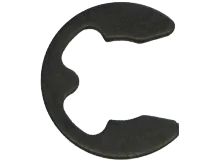
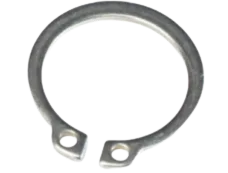
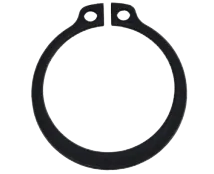
External shaft rings vs internal bore rings - understand the key differences, when to use each type, how to read your drawing, and avoid the most common ordering mistake engineers make.
Technical guides, selection tips, and application notes for industrial hardware - written by practitioners, for engineers.
Spring preload vs cam geometry. What the Junker vibration test showed, why DIN withdrew DIN 127, and an honest guide to choosing by duty level.
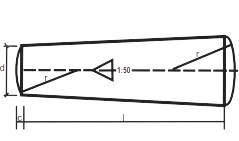
A dowel pin positions; a taper pin fastens. Fits, standards (ISO 8734 vs ISO 2339), hole preparation, and how to choose for your assembly.
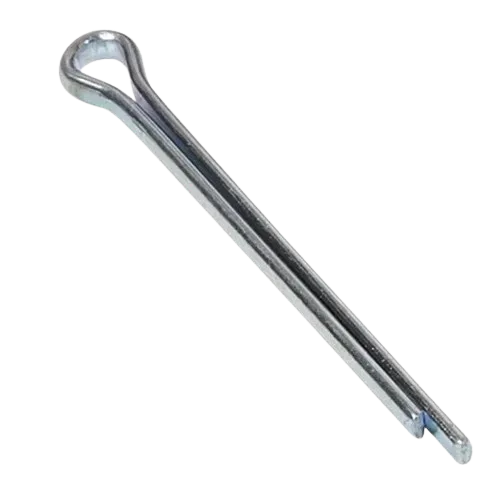
Two names, one fastener. Regional naming explained, the one case where "cotter" means something else, plus DIN 94 / IS 549 sizing and fitting practice.
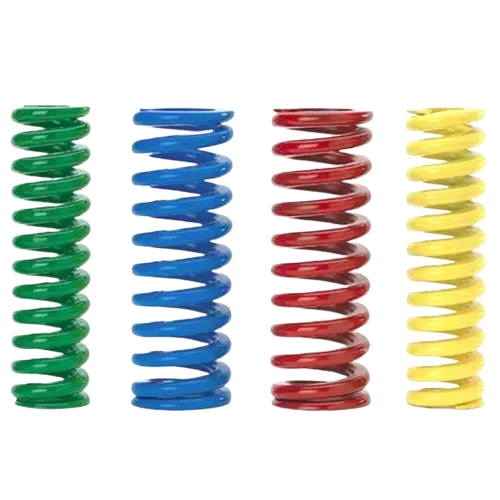
How the ISO 10243 colour system works, why rectangular wire delivers more force, and how to select the right load rating for your press tool.
Two calliper measurements and a chart lookup identify any loose ring. Three steps with a worked example - and what to do when nothing matches.
Shaft range, groove diameter, clip OD and thickness for all 17 sizes from 0.8 to 24 mm nominal. The nominal size equals the groove diameter.
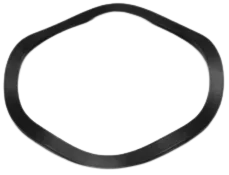
Match your ball bearing number to the correct preload washer: OD, ID and thickness for every housing bore from 26 to 100 mm.
ID, OD, thickness, free height and travel to flat for bolt sizes 4 - 55 mm, plus series vs parallel stacking rules.
The complete machinist's reference: ring thickness, free I.D., groove diameter, width, and depth for all 78 sizes from Ø4 to Ø300 mm. Searchable, with h11 tolerance notes.
Bore circlip dimensions for all 73 sizes from Ø8 to Ø300 mm: free O.D., groove diameter, width, and depth with H11 tolerance notes and a worked bearing-housing example.
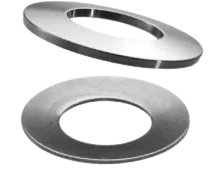
High clamping load with minimal deflection vs light preload and play take-up. Learn the load-deflection differences, DIN standards, and stacking methods.
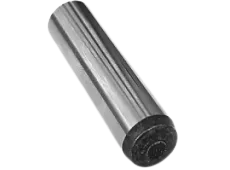
Precision location vs self-retaining vs shock-resistant. ISO 8734, ISO 8752, ISO 8750 explained with a practical selection framework.
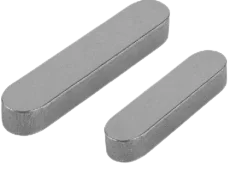
Parallel keys (DIN 6885) for high-torque cylindrical shafts vs Woodruff keys (DIN 6888) for self-aligning tapered shaft connections.
General industrial use → 304. Marine, coastal, food, chemical → 316. The molybdenum difference explained, with a cost-justified selection guide.
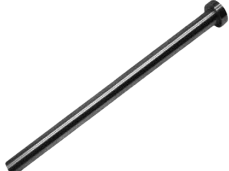
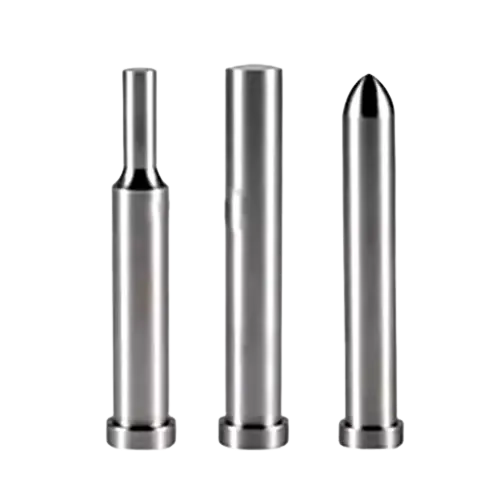
How the ejection system works, straight vs shouldered vs blade pins, DIN 1530 standard, why pins break, and a complete specification checklist.
External shaft rings vs internal bore rings - the key differences, how to read your drawing, and the most common ordering mistake engineers make.
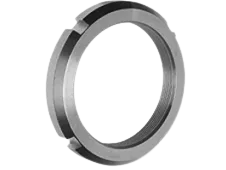
The nut does not hold the bearing - the washer holds the nut. How the pair works, the full KM size chart with matching MB washers, and the fitting mistakes that let a bearing walk.
Retaining rings fail at the groove far more often than at the ring. Groove diameter, width, depth, corner radius, edge margin and surface finish - what to hold, and why each one matters.
A gloss ring, a sink, a drag line and a whitened patch are four different faults with four different fixes. A symptom-by-symptom diagnosis of ejector pin marks.
Start from the shaft diameter and everything else follows. Key width and height plus both keyway depths for all 26 standard sizes from Ø6 to Ø500 mm, searchable.
One source says 5%, another says 20%, and both are right. Per-side versus total clearance settled, with a material table in both conventions and a worked example.
Series multiplies travel, parallel multiplies force, and the arithmetic is genuinely that simple. The design procedure, plus the friction, guidance and stack-length limits nobody mentions.
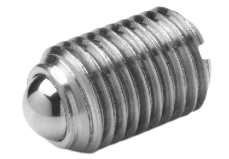
Two force numbers, one detent geometry, and a hole that has to be right. How to pick a ball plunger that indexes crisply instead of sticking or slipping past.
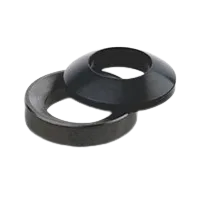
A bolt clamped against a face that is not square carries bending on top of tension - and fails at a fraction of its rating. How a spherical washer pair removes it.
Most circlips are ruined during fitting, not in service. Plier choice, how far a ring can safely open, the dishing failure mode, and when a ring must not be reused.